

How to Handle a Dental Emergency: A Quick Guide
 Dental emergencies can happen anytime. Knowing what to do can save your teeth and reduce pain. Here’s a quick guide on handling common dental emergencies.
Severe Toothache
A toothache can be due to decay, an abscess, or an injury.
Steps:
- Rinse with warm water.
- Floss gently to remove food.
- Apply a cold compress to reduce swelling.
- Contact your dentist immediately.
Knocked-Out Tooth
Quick action can save a knocked-out tooth.
Steps:
- Handle the tooth by the crown, not the root.
- Rinse gently with water, don’t scrub.
- Try to reinsert the tooth or place it in milk or saline.
- See your dentist immediately. Time is crucial.
Broken or Chipped Tooth
Damage can range from minor to severe.
Steps:
- Rinse your mouth with warm water.
- Apply gauze to any bleeding.
- Use a cold compress to reduce swelling.
- Save any broken pieces.
- Contact your dentist promptly.
Lost Filling or Crown
Losing a filling or crown can expose the tooth to damage.
Steps:
- Save the filling or crown.
- Use over-the-counter dental cement if needed.
- Avoid chewing on the affected side.
- Contact your dentist for a replacement.
Abscess
An abscess is a serious infection that needs immediate attention.
Steps:
- Rinse with a mild saltwater solution several times a day.
- Do not attempt to burst the abscess.
- Contact your dentist immediately.
Broken Braces or Wires
Orthodontic issues can cause discomfort and injury.
Steps:
- Use a pencil eraser to push the wire into a comfortable position.
- Cover the wire with orthodontic wax or a small cotton ball.
- Avoid cutting the wire.
- Schedule an appointment with your orthodontist.
General Tips for All Dental Emergencies
- Stay calm.
- Avoid using sharp objects in your mouth.
- Keep a dental emergency kit handy (gauze, small container, ibuprofen, and your dentist’s contact info).
When to Seek Immediate Help
Seek immediate medical attention if you have severe pain, uncontrollable bleeding, or signs of infection (swelling, fever, difficulty breathing).
Being prepared and knowing what to do in a dental emergency can protect your oral health. Contact your dentist for professional help whenever needed.
 Choosing between Invisalign and traditional braces can be challenging. Both have their benefits, and what works for one person might not be ideal for another. Here’s a quick guide to help you decide.
 A bright, white smile can boost your confidence and enhance your appearance. Teeth whitening is a popular and accessible way to achieve this, but with so many options available, it can be tough to know where to start. In this guide, we’ll explore the different teeth whitening methods, their costs, and the results you can expect to help you make an informed decision.
 Cosmetic dentistry has become increasingly popular as more people seek to enhance their smiles and boost their confidence. But what exactly does cosmetic dentistry entail, and what options are available to you? This blog post will break down the different types of cosmetic dentistry procedures, helping you understand how each one works and which might be best suited for your needs.
 In the realm of healthcare, knowledge is not just power; it’s also a source of comfort. Nowhere is this more evident than in the dental office, where anxiety often stems from unfamiliar terms and procedures. Patients might feel overwhelmed or apprehensive when confronted with terms like “halitosis” or “bruxism.” However, shedding light on these terms in simple, accessible language can dissolve anxiety and empower patients in their dental journey.
 In the ever-evolving world of dental care, there’s a plethora of information floating around, some of it accurate, and some not so much. It’s easy to get caught up in the latest trends, but when it comes to your oral health, it’s crucial to separate fact from fiction. So, here are some common misconceptions in the dental space and the truth behind them.
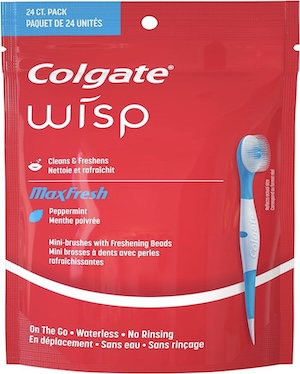 These disposable toothbrushes are a game-changer for those days when getting out of bed feels like too much. Keep a few in your bag or by your bedside, and you’ll always have an easy, on-the-go solution for a quick and refreshing clean.
 This simple swap can make a huge change for your dental routine. Grab a toothbrush featuring your favorite color or a whimsical design. Opt for the kids’ section for an array of vibrant choices. The visual appeal can turn your dental routine into a more enjoyable experience, bringing a splash of color to your daily self-care regimen.
 Finding a flavor that suits your taste can transform brushing from a chore into a sensory delight. Consider alternating between flavors to keep things interesting! You may find that you end up looking forward to brushing because of the fun flavors.
 Using dental floss can feel like more of a hassle than it is helpful, but flossing is definitely worth the effort! This handy device uses a stream of water to remove plaque and debris between teeth, offering a gentler alternative to traditional floss. It’s quick, easy, and a great addition to your dental arsenal. (We sell them here in our office, so stop by to pick up your very own!)
 Create a soothing environment for your dental routine. Play your favorite music, light a scented candle, or use a calming essential oil diffuser. Turning your brushing time into a mini relaxation session can make the experience more enjoyable and help alleviate the burden.
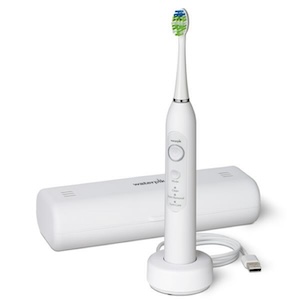 Stay on track with your dental routine by using a timer. Many electric toothbrushes come equipped with a built-in timer, ensuring you brush for the recommended two minutes. It takes the guesswork out of timing, leaving you with a sense of accomplishment.
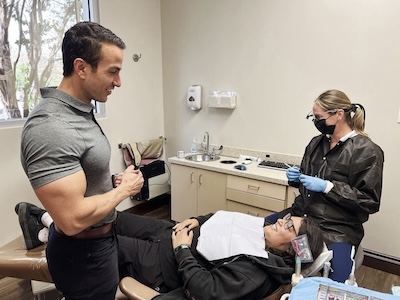 Share your dental care goals with a trusted friend or family member, or even your dentist! Having an accountability partner can provide motivation and encouragement. They can check in on your progress, offer support during challenging days, and celebrate your achievements with you.
 November marks Mouth Cancer Awareness Month – a time to shine a light on something that often slips under the radar until it reaches the advanced stages. Mouth cancer, sometimes called oral cancer or cancer of the oral cavity, is a collective term for a variety of cancers that kick off in the mouth area. It tends to show up more on the lips, tongue, and floor of the mouth, but it can also decide to set up shop in the cheeks, gums, roof of the mouth, tonsils, and even the salivary glands. Without intervention, untreated oral cancer has the potential to grow within the oral cavity and throat, extending its impact to various regions of the head and neck.